This is the film in it's final form after following all steps.
Thursday, 17 March 2011


RESEARCH: BBFC Certification
The BBFC (The British Board of Film Classification)
The BBFC is a non-governmental organisation in the UK that gives out certifications for media distributed in the UK. Unlike other international certifications it is a compulsory obligation for distributors to sell a game to a person of the right age. Where certifications issued by companies such as PEGI are simply advisory and are issued to advise consumers, BBFC targets the distributors.
History
The British board of film classification was formed in 1912 and was known as the British board of film censors this was because the film industry at the time preferred to manage the classification and censorship of their own films rather than have them enforced by governments, the BBFC do have power to fine and in extreme cases close down organisations who breach the regulations set organisation changed its name to the British board of film classification the BBFC were also used to prevent negative propaganda during the second world war, in 1984 the organisation changed it t to its current name the British board of film classification, in 1986 however the BBFC rated its first video game as a 15, video games are however video games are voluntarily submitted for classification, in 1997 the first game to refuse being rated by the BBFC was ‘’Carmagedon’’ however a later version of the game was rated and it received a 18 certificate, and in June 2007 the game Manhunt 2 was refused a rating and so deemed illegal to sell.
The video recording act of 2010
This act brought back into force some parts of the video recording act of 1984, this was because the European commission had not been notified in 1984 of this act which directly affected the classification and distribution of films in the U.K and therefore due to the lack of information provided to the European commission this act was deemed unenforceable and therefore on the 15th December of 2009 this act to revive the provisions of the video recording act of 1984 was presented to the house of commons, subsequently the second and third reading of this act both took place on the 6th January 2010 and so on the 21st January of that year the act received royal assent and is still in force today.
History
The British board of film classification was formed in 1912 and was known as the British board of film censors this was because the film industry at the time preferred to manage the classification and censorship of their own films rather than have them enforced by governments, the BBFC do have power to fine and in extreme cases close down organisations who breach the regulations set organisation changed its name to the British board of film classification the BBFC were also used to prevent negative propaganda during the second world war, in 1984 the organisation changed it t to its current name the British board of film classification, in 1986 however the BBFC rated its first video game as a 15, video games are however video games are voluntarily submitted for classification, in 1997 the first game to refuse being rated by the BBFC was ‘’Carmagedon’’ however a later version of the game was rated and it received a 18 certificate, and in June 2007 the game Manhunt 2 was refused a rating and so deemed illegal to sell.
The video recording act of 2010
This act brought back into force some parts of the video recording act of 1984, this was because the European commission had not been notified in 1984 of this act which directly affected the classification and distribution of films in the U.K and therefore due to the lack of information provided to the European commission this act was deemed unenforceable and therefore on the 15th December of 2009 this act to revive the provisions of the video recording act of 1984 was presented to the house of commons, subsequently the second and third reading of this act both took place on the 6th January 2010 and so on the 21st January of that year the act received royal assent and is still in force today.
PLANNING: Marketing and Distribution
Here is our final film poster. We used the cigarette pack to represent the gritty and urban feel that the film has. The poster has been kept minimal so that it has a clean feel about it. The whole poster has been styled in way that nods to The Velvet Underground and Niko album cover by Andy Warhol.


RESEARCH & PLANNING: Production Logo
An important part of film production is a name. This allows people to recognise your company from others, and hopefully sets the company apart. The name of our company went through many different phases, from American sounding ones, such as Westroad Productions, ambiguous ones such as Tailor Film, and downright ridiculous ones, such as Imagico Film Productions.
After a few hours of arguing, and a trip to The Ward Arms, we decided to leave the name of the film company for a while, we decided to leave the name of the company to whoever made the logo, and thus, our film company was namedReelhaus Productions.
This name was chosen because it harks back to the German Expressionism movement from Weimar Germany in the 1920's, and because... it sounds good. Bit of German really adds a kick to the name, yes?
All film companies have a distinct logo, which is designed to embody the values that the company holds. That and...
Well, you need a logo, don't you?
We began the planning of our company logo by first looking at some existing ones.
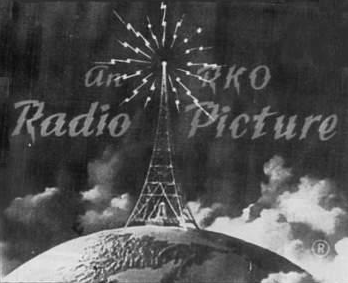


Looking at these, we deduced that film companies tend to use a form of symbolism with their logos for a number of reasons, be they for nature of film, values of the company, or just because it looks good. From this, four distinct logos were made.
Our first logo was made to be eye catching and practical:

Our second logo was made to hark back to Indie amateur film companies from the 1980's:

Our third logo was made to be eye catching, imposing, and drew influences from propaganda from Fascist Italy.

Our fourth and final logo was created to have a warm, social and modernist style to it.

We then put these logos up on SurveyMonkey, and asked people from sixth-form for their receptions of each, and used this to decide a final logo.

Subscribe to:
Posts (Atom)